
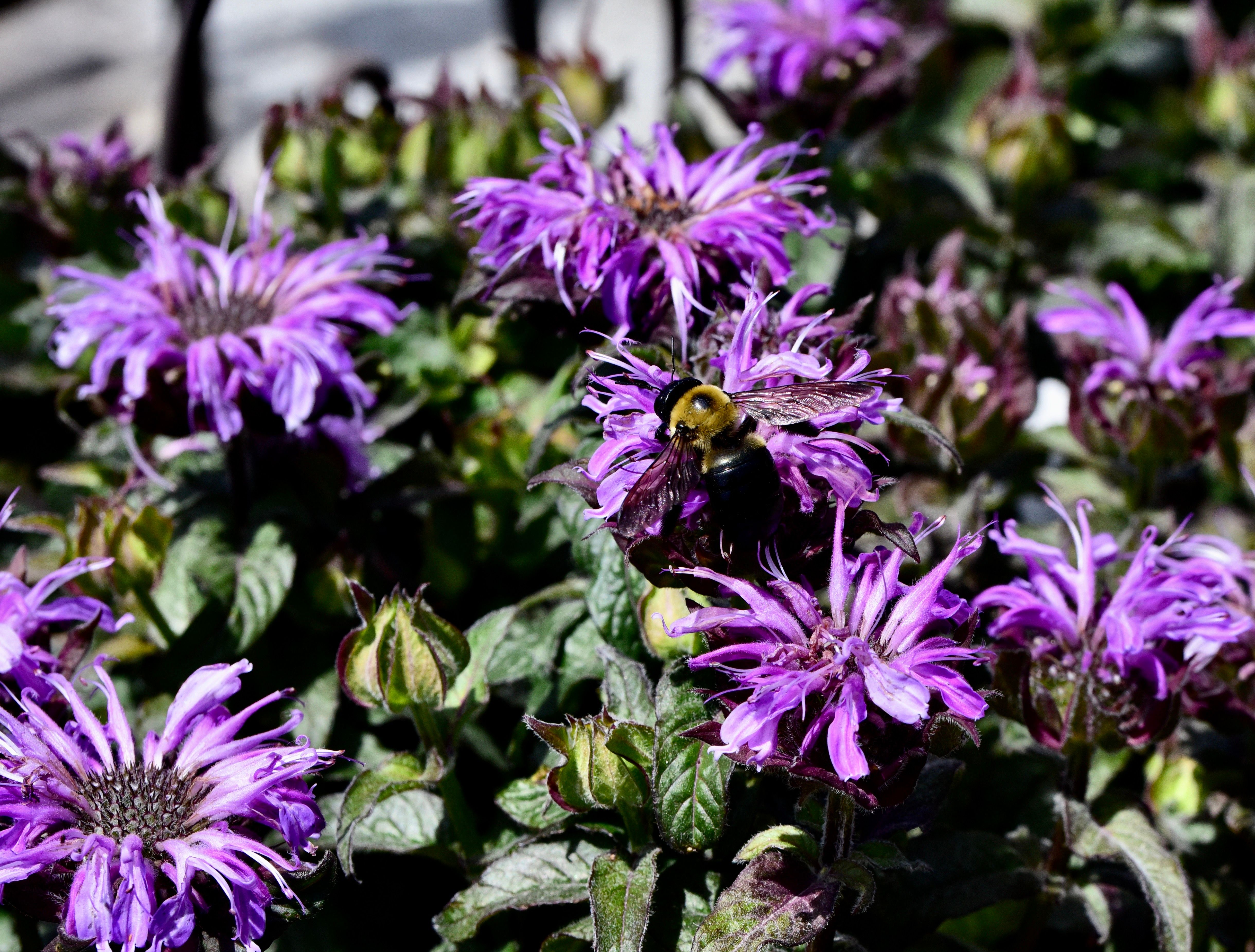
Bee balm, also known as Monarda, is a versatile and beneficial herb that has been used for centuries for its various medicinal properties. In this comprehensive guide, we will explore the many benefits of bee balm, as well as its history, cultivation, and practical uses in our daily lives. So let’s delve into the fascinating world of bee balm and discover why this herb deserves a place in our homes and hearts.
Understanding Bee Balm
What is Bee Balm?
Bee balm, scientifically known as Monarda, is a flowering herb native to North America. It belongs to the mint family and is characterized by its vibrant and aromatic flowers. Bee balm comes in different varieties, with colors ranging from red and pink to purple and white. The leaves of bee balm are also known for their distinct minty fragrance, making them a popular choice for herbal infusions and teas.
The History of Bee Balm Use
The use of bee balm dates back centuries, with Native American tribes being the first to recognize its medicinal properties. They would often brew bee balm leaves into a tea to treat various ailments, including digestive issues, respiratory problems, and skin conditions. It was also used as a remedy for fevers and headaches. The European settlers later adopted this herb and incorporated it into their own traditional medicine practices.
Throughout history, bee balm has been revered not only for its medicinal benefits but also for its cultural significance. Native American tribes considered bee balm to be a sacred plant, often using it in rituals and ceremonies. The vibrant colors and enchanting fragrance of bee balm flowers made them a symbol of beauty and spirituality.
As European settlers explored the New World, they were captivated by the allure of bee balm. Its striking appearance and aromatic qualities quickly made it a favorite among gardeners and horticulturists. Bee balm became a staple in colonial gardens, adding a burst of color and fragrance to the landscape.
Today, bee balm continues to be cherished for its versatility and beauty. In addition to its traditional medicinal uses, it is also a popular choice for attracting pollinators such as bees, butterflies, and hummingbirds to gardens. The nectar-rich flowers of bee balm provide a vital food source for these important creatures, contributing to the overall health and biodiversity of ecosystems.
The Health Benefits of Bee Balm
Bee Balm for Skin Health
Bee balm is renowned for its beneficial effects on the skin. Its natural antimicrobial and anti-inflammatory properties make it an effective remedy for various skin conditions, such as acne, eczema, and minor wounds. You can apply diluted bee balm essential oil topically or use bee balm-infused creams and ointments to promote healthy and radiant skin.
But did you know that bee balm also contains antioxidants that can help protect your skin from damage caused by free radicals? These harmful molecules can lead to premature aging and skin diseases. By incorporating bee balm into your skincare routine, you can give your skin an extra layer of defense against environmental stressors.

Furthermore, bee balm has been used for centuries in traditional medicine to soothe sunburns and reduce redness. Its cooling properties provide instant relief and help speed up the healing process. So the next time you spend a little too much time under the sun, reach for some bee balm to calm and nourish your skin.
Digestive Benefits of Bee Balm
When it comes to digestive health, bee balm is a true champion. Its aromatic oils can help alleviate indigestion, bloating, and even stomach cramps. Consuming bee balm tea or adding a few fresh leaves to your meals can aid in soothing the digestive system and improving overall digestion. It is also believed to have mild antibacterial properties that help combat harmful bacteria in the gut.
But that’s not all – bee balm has been traditionally used as a natural remedy for nausea and motion sickness. Its calming effect on the stomach can help reduce feelings of queasiness and promote a sense of well-being. So whether you’re dealing with a case of indigestion or feeling a little queasy, bee balm can be your go-to herb for digestive comfort.
Additionally, bee balm contains compounds that stimulate the production of digestive enzymes, which play a crucial role in breaking down food and absorbing nutrients. By enhancing enzyme activity, bee balm can support optimal digestion and nutrient absorption, leading to better overall health.
Bee Balm and Respiratory Health
If you often find yourself struggling with respiratory issues, bee balm might be the answer you’re looking for. The herb’s high content of essential oils, such as thymol and eugenol, can help relieve congestion, ease coughs, and soothe sore throats. Simply inhaling the steam from bee balm-infused water or drinking warm bee balm tea can provide respiratory relief and promote easier breathing.
Did you know that Native Americans have used bee balm for centuries to treat respiratory infections? Its antimicrobial properties can help fight off bacteria and viruses that cause respiratory illnesses, such as the common cold and flu. By incorporating bee balm into your wellness routine, you can give your immune system an extra boost and reduce the risk of falling ill.
Furthermore, bee balm can act as a natural expectorant, helping to loosen and expel mucus from the respiratory tract. This can be particularly beneficial for individuals dealing with conditions like bronchitis or asthma, as it can help improve breathing and reduce discomfort.
Cultivating and Harvesting Bee Balm
Growing Conditions for Bee Balm
Before you can reap the benefits of bee balm, you need to know how to cultivate it. Bee balm, also known as Monarda, is a beautiful herb that not only adds a pop of color to your garden but also attracts bees, butterflies, and hummingbirds. This versatile plant thrives in well-drained soil and prefers full sun or partial shade. If you live in a hot climate, providing some afternoon shade can help prevent the leaves from wilting.
When it comes to planting bee balm, timing is crucial. It is best to plant bee balm in the spring or fall when the soil is still warm but the weather is cooler. This will give the plant a chance to establish its roots before the heat of summer or the harshness of winter. Before planting, prepare the soil by loosening it and removing any weeds or rocks. Adding organic matter, such as compost or well-rotted manure, can also help improve the soil’s fertility.
Once you have prepared the soil, dig a hole that is slightly larger than the root ball of the bee balm plant. Place the plant in the hole, making sure that the top of the root ball is level with the soil surface. Backfill the hole with soil, gently firming it around the plant. Water the newly planted bee balm thoroughly to settle the soil and help the roots establish.
Harvesting and Storing Bee Balm
Once your bee balm plants have matured, you can start harvesting the leaves and flowers to enjoy their aromatic and medicinal properties. Bee balm leaves have a minty flavor with hints of citrus and oregano, making them a delightful addition to teas, salads, and savory dishes. The vibrant flowers, which come in shades of red, pink, purple, and white, can be used to garnish desserts or infuse oils and vinegars.
To harvest bee balm, wait until the plant has reached its full height and the flowers have opened. Using a sharp pair of scissors or pruning shears, cut the stems just above a leaf node to promote new growth. Harvesting in the morning, when the essential oil concentration is at its highest, will ensure that you capture the plant’s full aroma and flavor.

After harvesting, you have two options: you can either use the bee balm immediately or dry the leaves and flowers for later use. To dry bee balm, gather a small bunch of stems and tie them together with a string. Hang the bunch upside down in a well-ventilated area away from direct sunlight. Once the leaves and flowers are completely dry and crumbly, remove them from the stems and store them in airtight containers. Properly dried bee balm can retain its flavor and aroma for up to a year.
Now that you have learned how to cultivate and harvest bee balm, you can enjoy its beauty and benefits all season long. Whether you use it in the kitchen, for its medicinal properties, or simply to attract pollinators to your garden, bee balm is a wonderful addition to any herb collection.
Using Bee Balm in Your Daily Routine
Incorporating Bee Balm in Your Diet
Bee balm leaves and flowers are not only beneficial but also flavorful. Add a few freshly picked bee balm leaves to your salads or use them as a garnish for soups and stews. You can also infuse bee balm into vinegar or oil to enhance the taste of your dishes. Additionally, brewing bee balm tea is a simple and enjoyable way to incorporate this herb into your daily routine.
Bee Balm in Skincare
For a refreshing and rejuvenating skincare experience, consider adding bee balm to your beauty regimen. You can create homemade facial masks or toners using dried bee balm leaves and essential oils. These natural remedies can help cleanse and tone your skin, leaving it nourished and glowing.
Bee Balm for Aromatherapy
The aromatic properties of bee balm make it a perfect choice for aromatherapy enthusiasts. By diffusing its essential oil or using it in massage oils, you can promote relaxation, relieve stress, and create a soothing ambiance. The invigorating scent of bee balm can uplift your mood and help you unwind after a long day.
Precautions and Potential Side Effects
Possible Interactions and Contraindications
Although bee balm is generally considered safe for most individuals, it’s essential to be aware of potential interactions and contraindications. If you are taking medications or have underlying health conditions, consult with a healthcare professional before incorporating bee balm into your routine. Certain compounds in bee balm may interact with medications such as blood thinners or sedatives.
Allergic Reactions to Bee Balm
While allergic reactions to bee balm are rare, it’s crucial to exercise caution if you have a known allergy to plants in the mint family. Before using bee balm topically or consuming it, perform a patch test on a small area of your skin. If you experience any redness, itching, or swelling, discontinue use immediately and seek medical advice.
Conclusion
In conclusion, bee balm is a remarkable herb with an array of health benefits. From its rich history to its healing properties, this versatile plant has earned its place in traditional medicine practices. Whether you choose to grow it in your garden, incorporate it into your diet, or use it for skincare and aromatherapy, bee balm can enhance your well-being in multiple ways. Just remember to exercise caution, consult with healthcare professionals when needed, and enjoy all the wonders that bee balm has to offer.

Leave a Comment