
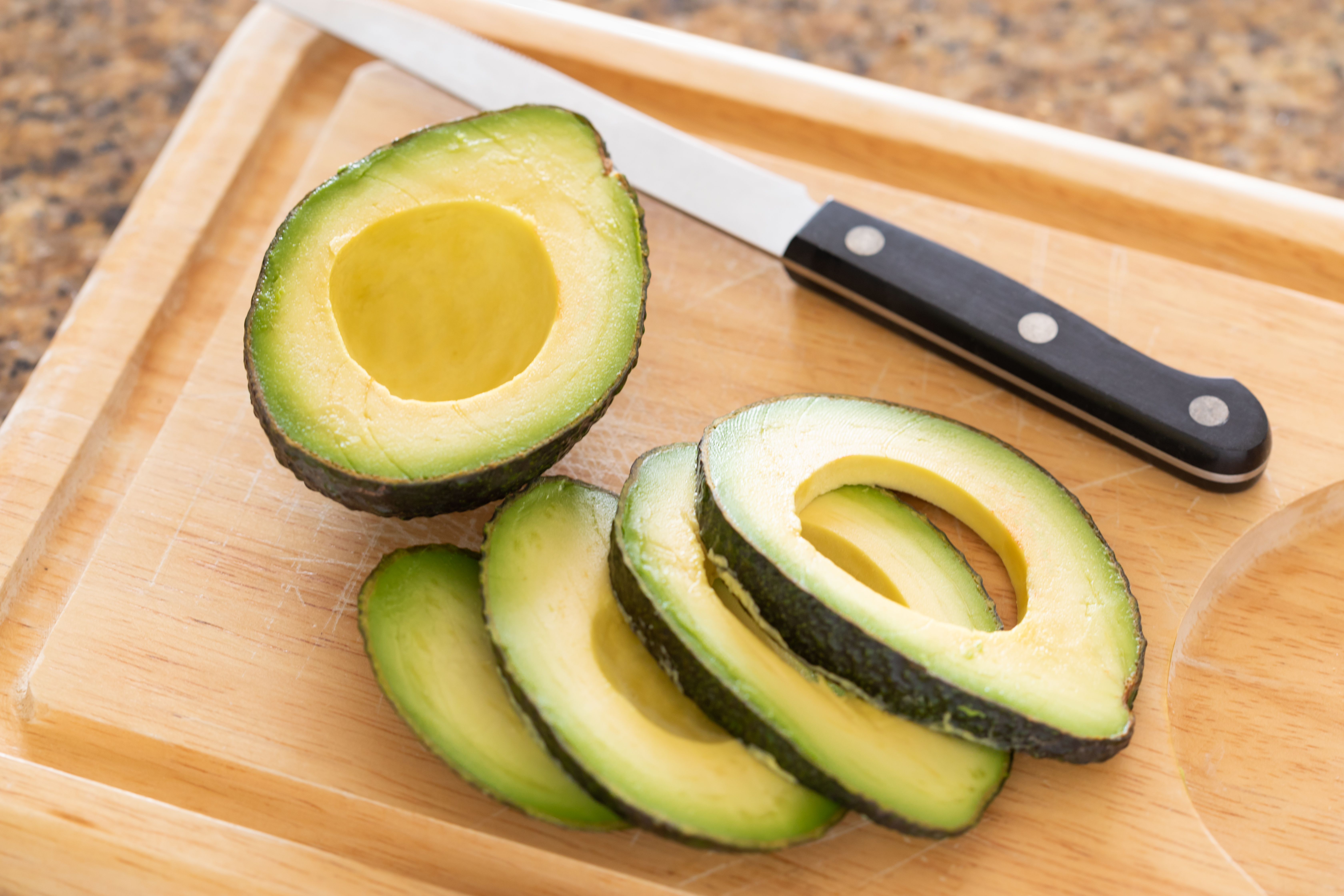
Avocados have gained immense popularity in recent years due to their delicious taste, creamy texture, and numerous health benefits. Whether you enjoy them in guacamole, spread on toast, or as a salad topping, avocados offer a versatile addition to any meal. In this ultimate guide, we will explore the origin and history of avocados, their nutritional profile, the various health benefits they offer, and debunk some common myths associated with them. Additionally, we will provide tips on how to incorporate avocados into your diet and share some delicious recipes for you to try.
Understanding the Avocado: A Brief Overview
Before diving into the specifics, let’s take a closer look at avocados and their fascinating history. Native to Central and South America, avocados have been cultivated for thousands of years. The Olmec civilization of ancient Mexico is believed to have been one of the first to grow avocados. Over time, avocados spread across the globe, reaching different continents and becoming a staple in various cuisines.
The Origin and History of Avocados
The avocado tree, scientifically known as Persea americana, is a member of the Lauraceae family. It is believed to have originated in what is now modern-day Mexico and Central America and was later introduced to other parts of the world through exploration and trade. The avocado’s cultivation history is closely tied to the rise of Mesoamerican civilizations, such as the Maya and Aztecs, who revered the fruit for its taste and nutritional value.
Legend has it that the Aztecs referred to avocados as “ahuacatl,” which translates to “testicle” in their native language, Nahuatl. This peculiar name was given due to the fruit’s shape and the belief that it possessed aphrodisiac properties. In fact, avocados were considered so valuable that Aztec rulers would gift them to visiting dignitaries as a symbol of fertility and abundance.
As European explorers explored the New World in the 16th century, they encountered avocados and quickly recognized their value. Avocado cultivation expanded across Europe, Africa, and Asia, eventually reaching regions with suitable climates for growth. The fruit’s popularity continued to soar, and it became a sought-after delicacy among the elite.
Different Types of Avocados
Avocados come in various shapes, sizes, and colors. The different avocado varieties can be classified into three main groups: Mexican, Guatemalan, and West Indian. Each variety has its characteristics, including variations in taste, texture, and skin color.
The Hass avocado is one of the most popular and widely available varieties. It has a dark, pebbly skin and a rich, creamy flesh. Named after Rudolph Hass, a California postman who patented the tree in 1935, the Hass avocado quickly gained popularity due to its superior taste and longer shelf life compared to other varieties.
Other notable varieties include Fuerte, Bacon, Zutano, and Reed, each offering unique flavor profiles for culinary exploration. The Fuerte avocado, for example, has a smooth, thin skin and a buttery texture. It was one of the first commercially successful avocado varieties in California and remains a favorite among avocado enthusiasts.

Whether you prefer the creamy richness of a Hass avocado or the smooth texture of a Fuerte, there is no denying the versatility and deliciousness of this remarkable fruit. From guacamole to avocado toast, avocados have become a beloved ingredient in countless dishes around the world, adding a touch of indulgence and healthfulness to every bite.
The Nutritional Profile of Avocados
Avocados are not only delicious but also packed with essential nutrients that contribute to a healthy diet. Let’s take a closer look at the vitamins, minerals, and other beneficial compounds found in avocados.
Avocados are truly a powerhouse when it comes to essential vitamins and minerals. They are particularly rich in vitamin K, which plays a crucial role in blood clotting and bone health. Just one medium-sized avocado provides approximately 26% of the recommended daily intake of vitamin K. In addition, avocados are a great source of vitamin C, which supports a healthy immune system and aids in collagen production for healthy skin. With about 17% of the recommended daily intake per avocado, you can give your body a boost of this vital nutrient.
Not only do avocados provide an abundance of vitamins, but they also offer a range of essential minerals. Potassium, for example, is crucial for maintaining healthy blood pressure levels and proper muscle function. Surprisingly, avocados contain even more potassium than bananas! A single medium-sized avocado contains approximately 20% of the recommended daily intake of potassium. Furthermore, avocados are a good source of magnesium, a mineral that plays a role in over 300 biochemical reactions in the body, including energy production and muscle function. With about 15% of the recommended daily intake per avocado, you can give your body the magnesium it needs to thrive.
The Caloric Content of Avocados
While avocados are relatively high in calories compared to other fruits and vegetables, they offer healthy monounsaturated fats that promote satiety and help maintain healthy cholesterol levels. A single medium-sized avocado contains around 234 calories, making it a nutritious addition to a well-balanced diet.
It’s important to note that not all calories are created equal. The calories in avocados come from healthy fats, which are essential for the absorption of fat-soluble vitamins and the production of hormones. These fats also help keep you feeling full and satisfied, reducing the likelihood of overeating. So, while avocados may have a slightly higher calorie content, they provide a wealth of nutritional benefits that make them worth including in your daily diet.
Health Benefits of Avocados
Beyond their nutritional value, avocados offer a range of health benefits. Incorporating avocados into your diet can have positive effects on heart health, weight management, digestive health, and even your skin and hair.
Avocados and Heart Health
The monounsaturated fats found in avocados can help reduce LDL (bad) cholesterol levels in the blood, lowering the risk of heart disease. Additionally, avocados are a good source of heart-healthy potassium, which plays a crucial role in maintaining healthy blood pressure levels.
Avocados for Weight Management
Despite their higher calorie content, avocados can be beneficial for weight management. The fiber and healthy fats in avocados can help increase feelings of fullness, reducing overeating and snacking between meals.
Avocados and Digestive Health
Avocados are an excellent source of dietary fiber, which is essential for proper digestion. Adequate fiber intake promotes regular bowel movements and helps prevent constipation.
Avocados for Skin and Hair Health
The natural oils found in avocados can hydrate the skin and hair, promoting a healthy appearance. Applying mashed avocado directly to the skin or using avocado oil in hair care products can help moisturize and nourish dry skin and hair.
But did you know that avocados are not only beneficial when consumed, but they can also be used topically for various beauty treatments? Yes, that’s right! Avocado is a versatile fruit that can work wonders for your skin and hair.
When it comes to skincare, avocados are packed with vitamins and antioxidants that can help improve the overall health and appearance of your skin. The natural oils in avocados are easily absorbed by the skin, providing deep hydration and nourishment. You can create a simple homemade face mask by mashing up a ripe avocado and applying it to your face. Leave it on for about 15 minutes and then rinse off with warm water. Your skin will feel refreshed, moisturized, and rejuvenated.
Not only is avocado great for your skin, but it can also do wonders for your hair. Avocado oil is rich in essential fatty acids, which can help strengthen and moisturize your hair. It can also help reduce frizz, add shine, and promote hair growth. You can use avocado oil as a hair mask by applying it to your hair and scalp, leaving it on for about 30 minutes, and then washing it out with shampoo. Your hair will feel softer, smoother, and more manageable.
Debunking Avocado Myths
With the increasing popularity of avocados, several myths and misconceptions have emerged. Let’s address some of the common myths surrounding avocados and set the record straight.
Are Avocados Fattening?
Avocados do contain fats but they are primarily healthy monounsaturated fats. These fats are beneficial for heart health and can contribute to a feeling of fullness. While avocados are higher in calories compared to other fruits and vegetables, they can be part of a balanced diet and need not be feared for their fat content.
Can You Be Allergic to Avocados?
While allergies to avocados are rare, some individuals may experience symptoms such as itching, swelling, or hives after consuming avocados. This can be attributed to cross-reactivity with other foods or a latex allergy due to a protein found in avocados. If you suspect an avocado allergy, it is essential to consult a healthcare professional for a proper diagnosis.
Incorporating Avocados into Your Diet
Now that we have explored the various health benefits of avocados and debunked some myths, let’s discuss how you can include avocados into your daily meals and snacks.

Choosing and Storing Avocados
When selecting avocados, look for ones that are firm but yield to gentle pressure. Avoid avocados that are overly soft or have dark spots. To ripen avocados, leave them at room temperature until they reach your desired ripeness. To slow down the ripening process, store avocados in the refrigerator.
Basic Avocado Preparation Techniques
There are numerous ways to prepare avocados for various dishes. One simple method is to slice the avocado in half, remove the pit, and scoop out the flesh with a spoon. Avocado can also be mashed, blended, or sliced for different recipes. Experiment with avocado in smoothies, salads, sandwiches, or as a healthy alternative to butter or mayonnaise.
With its delicious taste, creamy texture, and profound health benefits, avocados are a versatile and nutritious addition to any diet. Whether you enjoy them as a savory side, a refreshing salad ingredient, or a delicious topping, avocados offer endless possibilities for culinary exploration. Incorporate this superfood into your daily meals and reap the numerous benefits it provides. Start experimenting with avocados today and unlock their potential for improved health and wellbeing.

Leave a Comment