
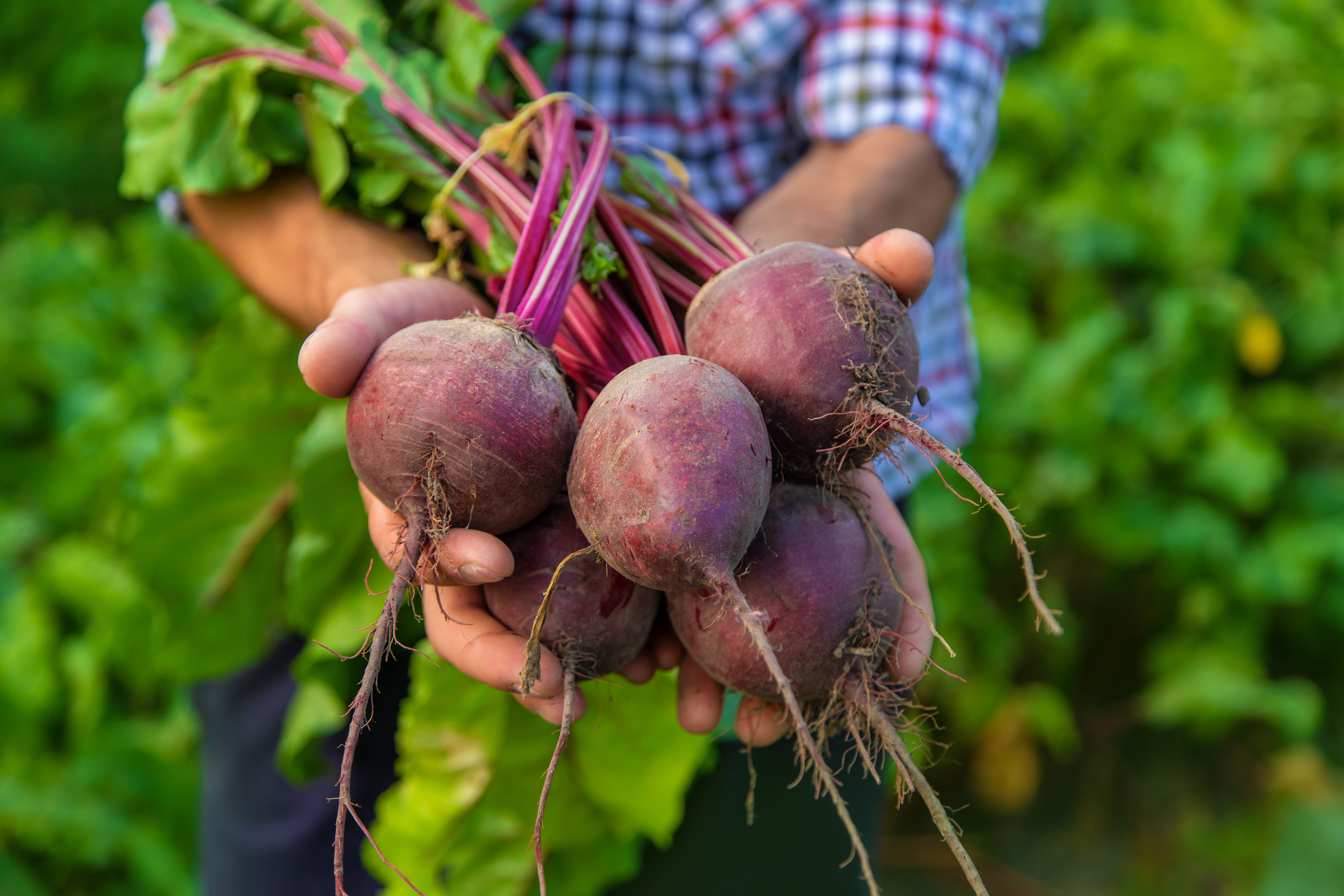
Beets, with their vibrant color and earthy flavor, have long been celebrated for their numerous health benefits. Packed with essential vitamins, minerals, and fiber, beets are a nutritional powerhouse that can support overall well-being. In this article, we will delve into the nutritional profile of beets, explore their health benefits, discuss their role in weight management, offer tips for incorporating them into your diet, and highlight any potential side effects.
Understanding the Nutritional Profile of Beets
Before we delve into the health benefits of beets, let’s take a closer look at their impressive nutritional profile. Beets are a great source of vitamins and minerals, making them an excellent addition to any balanced diet.

When it comes to vitamins, beets are truly a powerhouse. They are particularly rich in vitamin C, an antioxidant that not only supports immune function but also plays a key role in collagen synthesis. Collagen, as you may know, is a protein that provides structure to our skin, bones, and connective tissues. So, by incorporating beets into your diet, you can give your body a boost of this essential vitamin, helping to keep your immune system strong and your skin looking radiant.
In addition to vitamin C, beets also contain a range of B vitamins, including folate. Folate is especially important for pregnant women, as it is crucial for healthy cell growth and development of the fetus. But it’s not just for expectant mothers – folate is essential for everyone, as it helps our bodies produce DNA and form red blood cells. So, by enjoying beets, you’re not only treating your taste buds but also nourishing your body with this vital nutrient.
Now, let’s talk about the minerals found in beets. One mineral that stands out is potassium, which plays a crucial role in maintaining proper heart and muscle function. It helps regulate blood pressure, supports the transmission of nerve impulses, and even aids in muscle contraction. Alongside potassium, beets also provide magnesium and manganese. Magnesium is involved in over 300 biochemical reactions in the body, contributing to bone health, energy production, and nerve function. Manganese, on the other hand, is essential for the metabolism of carbohydrates, proteins, and cholesterol, ensuring that our bodies can efficiently utilize these nutrients.
Fiber and Protein Content in Beets
Not only are beets a great source of vitamins and minerals, but they also boast high fiber and protein content. Fiber, as we know, is essential for a healthy digestive system. It adds bulk to our stool, preventing constipation, and promotes regular bowel movements. Additionally, fiber helps regulate blood sugar levels, keeping them stable and preventing spikes and crashes. So, by incorporating beets into your meals, you can support your digestive health and maintain steady energy throughout the day.
When it comes to protein, beets may not be the first food that comes to mind. However, they do contain a fair amount of this essential macronutrient. Protein is crucial for repairing and building tissues, supporting muscle growth, and maintaining a healthy metabolism. By including beets in your diet, you can provide your body with a plant-based source of protein, which is not only beneficial for your overall health but also for the environment.
Unpacking the Health Benefits of Beets
Now that we understand the nutritional value of beets, let’s explore the specific health benefits associated with their consumption.

Beets and Heart Health
Beets are known to promote heart health due to their high concentration of nitrates. Nitrates are converted into nitric oxide in the body, which helps dilate blood vessels, improve blood flow, and lower blood pressure. Regular consumption of beets has been linked to a reduced risk of heart disease and improved cardiovascular function.
Beets and Digestive Health
The fiber content in beets plays a crucial role in maintaining a healthy digestive system. Fiber adds bulk to stool, preventing constipation, and promoting regular bowel movements. By supporting a healthy gut, beets can also help prevent digestive disorders such as diverticulitis and hemorrhoids.
Beets and Athletic Performance
Athletes and fitness enthusiasts can benefit from incorporating beets into their diets. The nitrates in beets improve oxygen flow to muscles, enhancing endurance and performance. Studies have shown that consuming beet juice or beetroot supplements before exercise can increase stamina, reduce fatigue, and improve overall athletic performance.
But the benefits of beets don’t stop there. Did you know that beets are also a great source of essential vitamins and minerals? They are packed with vitamin C, which is known for its immune-boosting properties. Vitamin C helps protect the body against harmful free radicals and supports the production of collagen, a protein that is essential for healthy skin, hair, and nails.
In addition to vitamin C, beets are rich in folate, a B-vitamin that plays a vital role in cell growth and development. Folate is particularly important for pregnant women as it helps prevent neural tube defects in the developing fetus. It also supports the production of red blood cells, which are responsible for carrying oxygen throughout the body.
Furthermore, beets contain a unique compound called betalains, which are responsible for their vibrant red color. Betalains have been found to have antioxidant and anti-inflammatory properties, which can help reduce inflammation in the body and protect against chronic diseases such as cancer and arthritis.
The Role of Beets in Weight Management
For those looking to manage their weight effectively, beets can be a valuable addition to their diet.
When it comes to weight management, finding foods that promote satiety is crucial. Beets, with their low calorie content and high fiber content, are a perfect example of such a food. The fiber in beets helps you feel fuller for longer periods, reducing the temptation to snack unnecessarily or overeat. By incorporating beets into your meals, you can keep hunger at bay and stay on track with your weight management goals.
How Beets Promote Satiety
Beets are not only delicious but also incredibly nutritious. They contain a unique combination of soluble and insoluble fiber, which plays a significant role in promoting satiety. Soluble fiber forms a gel-like substance in the digestive system, slowing down the absorption of nutrients and keeping you feeling satisfied for longer. On the other hand, insoluble fiber adds bulk to your stool, aiding in proper digestion and preventing constipation.
Additionally, beets are rich in water content, further contributing to their ability to promote satiety. The high water content adds volume to your meals without adding extra calories, helping you feel more satisfied with smaller portions.
Beets and Calorie Control
When it comes to calorie control, beets are a fantastic choice. Their natural sweetness provides a satisfying flavor without the need for added sugars or sweeteners. This makes them an excellent alternative to calorie-dense snacks and desserts that can derail your weight management efforts.
Incorporating beets into your meals and snacks can help satisfy cravings while keeping calorie consumption in check. Whether you enjoy them roasted, steamed, or grated into salads, beets offer a versatile and nutritious option for those aiming to control their calorie intake.
Furthermore, beets are a rich source of essential nutrients, including vitamins, minerals, and antioxidants. These nutrients not only support overall health but also play a role in maintaining a healthy weight. By providing your body with the necessary nutrients, beets can help optimize your metabolism and energy levels, making it easier to achieve and maintain your weight management goals.
Incorporating Beets into Your Diet
To fully reap the health benefits of beets, it’s essential to know how to incorporate them into your diet. Here are some delicious beet recipes for every meal and helpful tips for buying and storing beets:

Delicious Beet Recipes for Every Meal
- Breakfast: Start your day with a Beet and Berry Smoothie packed with antioxidants and fiber.
- Lunch: Prepare a vibrant Beet and Goat Cheese Salad, combining beets with leafy greens, tangy cheese, and a zesty dressing.
- Dinner: Indulge in a Roasted Beet and Lentil Salad, mixing beets with hearty lentils and flavorful herbs.
- Snacks: Enjoy some Baked Beet Chips as a healthy alternative to traditional potato chips.
Tips for Buying and Storing Beets
When buying beets, choose firm, smooth-skinned ones with vibrant colors. Avoid wilted leaves or overly soft beets. Once you bring them home, cut off the greens and store them separately in the refrigerator. Beets can be stored in plastic bags and kept in the refrigerator for up to two weeks.
Potential Side Effects of Consuming Beets
While beets offer numerous health benefits, it’s essential to be aware of potential side effects.
Understanding Beet Allergies
Some individuals may experience an allergic reaction to beets. Symptoms can range from mild to severe and may include itching, hives, or difficulty breathing. If you suspect you have a beet allergy, it’s advisable to consult a healthcare professional.
Beets and Kidney Stones
Beets contain oxalates, which can contribute to the formation of kidney stones in susceptible individuals. If you have a history of kidney stones or are at risk of developing them, it’s best to consult with a healthcare professional before consuming beets regularly.
In Conclusion
Beets are not only delicious but also incredibly nutritious. Their high vitamin and mineral content, along with the numerous health benefits they offer, make them a fantastic addition to any diet. From promoting heart and digestive health to aiding weight management and boosting athletic performance, beets truly live up to their reputation as a nutritional powerhouse. So, why not start incorporating beets into your meals today and reap the countless rewards they bring?

Leave a Comment