
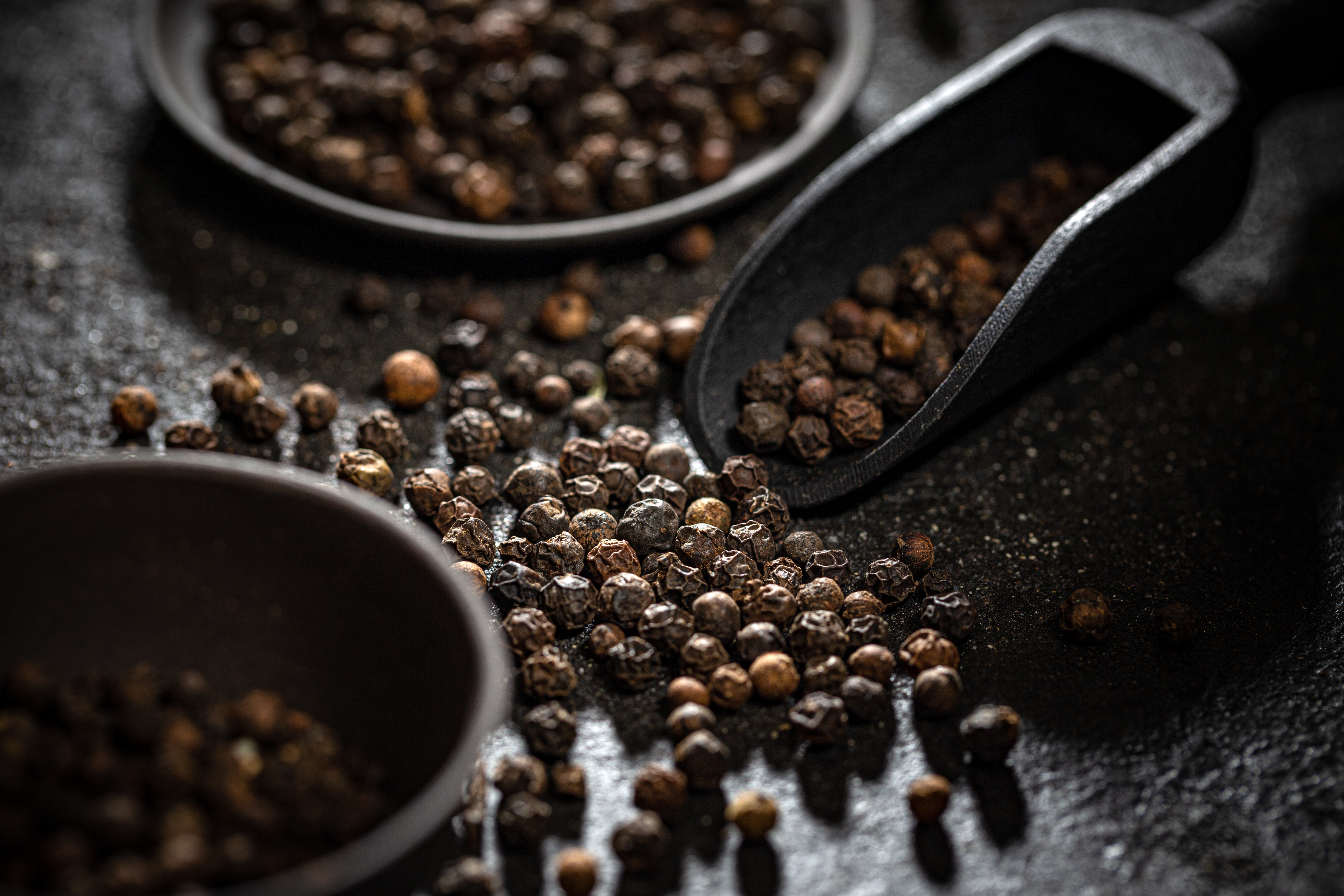
Black pepper is a versatile spice that is widely used in cuisines around the world. But did you know that it also provides numerous health benefits and has a rich history? In this article, we will explore the origin and history of black pepper, its different types, as well as its various uses and benefits in cooking, medicine, and skincare.
Understanding Black Pepper: A Brief Overview
The Origin and History of Black Pepper
Black pepper, scientifically known as Piper nigrum, is native to the Malabar Coast of India. It has been used for thousands of years and has played a significant role in ancient trade routes. In fact, black pepper was so valuable during medieval times that it was often referred to as “black gold.”
Early traders would travel long distances to procure this precious spice, making it a symbol of status and wealth. It was highly sought after not only for its unique taste but also for its medicinal properties.
The popularity of black pepper eventually spread to Europe, where it became a staple in many cuisines. Today, it is one of the most widely traded spices in the world.
Different Types of Black Pepper
Black pepper comes in various forms, each offering its own distinct flavor profile and culinary uses. The most common types include:
- Whole Black Peppercorns: These are the dried berries of the pepper plant. They can be ground fresh or added whole to dishes for a burst of flavor.
- Cracked Black Pepper: This variety consists of coarsely ground peppercorns and adds texture and flavor to recipes.
- Ground Black Pepper: This is the most commonly used form of black pepper and is readily available in most kitchens. It is perfect for seasoning soups, stews, and sauces.
- White Pepper: White pepper is made from ripe peppercorns with the outer layer removed. It has a milder taste and is often used in light-colored dishes to avoid dark specks.
Did you know that black pepper was once considered a luxury item that only the wealthy could afford? During the Middle Ages, it was so highly prized that it was used as a form of currency. Merchants and traders would often use black pepper as a means of exchange, making it an essential commodity in the global market.
Black pepper’s journey from India to Europe was not without its challenges. It was a long and perilous voyage, filled with treacherous seas and unpredictable weather. Traders would brave these dangers in search of the “king of spices,” knowing that the rewards would be great. The demand for black pepper was so high that it fueled the Age of Exploration, with explorers setting sail in search of new trade routes and sources of this prized spice.
Today, black pepper continues to be a beloved spice in kitchens around the world. Its distinct flavor and aroma add depth and complexity to a wide range of dishes, from savory soups to indulgent desserts. Whether you prefer the boldness of whole black peppercorns or the subtle warmth of ground black pepper, this versatile spice is sure to elevate your culinary creations.
The Health Benefits of Black Pepper
Black Pepper and Digestion
Black pepper is known to stimulate the secretion of digestive enzymes, aiding in digestion. It can help relieve bloating, flatulence, and indigestion. Furthermore, black pepper has been used in traditional medicine to combat stomach ulcers.

A pinch of black pepper added to meals can improve digestion and enhance nutrient absorption from the food we consume.
Black Pepper’s Role in Weight Loss
Research suggests that black pepper may have potential weight loss benefits. Piperine, a compound found in black pepper, has been shown to inhibit the formation of fat cells in the body. Additionally, it may increase metabolism, helping burn calories more efficiently.
While black pepper alone won’t magically shed the pounds, incorporating it into a balanced diet and active lifestyle may complement weight loss efforts.
Black Pepper and Its Antioxidant Properties
Black pepper contains antioxidants that help neutralize harmful free radicals in the body. These antioxidants play a vital role in maintaining overall health and well-being. Regular consumption of black pepper may aid in preventing chronic diseases and reducing inflammation.
Additionally, black pepper has antimicrobial properties, which can help fight against certain bacteria and fungi.
Did you know that black pepper has been used for centuries not only for its culinary uses but also for its medicinal properties? In ancient times, black pepper was highly valued and even considered a form of currency. It was used as a trade commodity and was often referred to as “black gold.”
Black pepper is derived from the peppercorn plant, scientifically known as Piper nigrum. The peppercorns are harvested when they are still green and unripe, then dried and ground to produce the familiar black pepper powder we use in our kitchens today. This versatile spice not only adds flavor to our meals but also offers a range of health benefits.
In addition to aiding digestion, black pepper has been found to have antimicrobial properties. It can help fight against certain bacteria and fungi, making it a valuable ingredient in traditional medicine. In fact, black pepper was used by ancient civilizations to treat various ailments, including respiratory infections and toothaches.
Furthermore, black pepper is rich in antioxidants, which are essential for maintaining overall health. These antioxidants help protect our cells from damage caused by harmful free radicals, reducing the risk of chronic diseases such as heart disease and cancer. Regular consumption of black pepper may also help reduce inflammation in the body, promoting better overall well-being.
So, the next time you reach for the black pepper shaker, remember that you’re not just adding flavor to your meal, but also benefiting from its numerous health-promoting properties. Incorporating black pepper into your daily diet can be a simple and delicious way to support your digestive health, aid in weight management, and boost your body’s natural defense against oxidative stress.
Culinary Uses of Black Pepper
Enhancing Flavor with Black Pepper
Black pepper is a staple spice in kitchens around the world due to its ability to enhance the flavor of a wide variety of dishes. Its pungent and slightly spicy taste adds depth and complexity to both savory and sweet recipes.

From seasoning grilled meats and vegetables to adding a kick to salad dressings and marinades, black pepper is a versatile spice that should not be overlooked.
Black Pepper in Traditional Cuisines
Black pepper is a key ingredient in many traditional cuisines, playing a significant role in the distinct flavors of various regions.
- In Indian cuisine, black pepper is commonly used in spice blends such as garam masala and curry powders.
- In Thai cuisine, black pepper is often used in stir-fries, soups, and marinades, adding a touch of heat to the dishes.
- In Italian cuisine, black pepper is a classic component of pasta sauces and is often paired with cheese in dishes like cacio e pepe.
These are just a few examples of how black pepper is incorporated into different culinary traditions, showcasing its versatility and ability to complement a wide range of flavors.
Other Uses of Black Pepper
Black Pepper in Ayurvedic Medicine
Ayurveda, the traditional Indian system of medicine, recognizes black pepper as a valuable herb with various medicinal properties. It is believed to stimulate circulation, improve respiratory health, and promote detoxification.
Black pepper is often used in Ayurvedic formulations to enhance the absorption and effectiveness of other herbs and remedies.
Black Pepper in Beauty and Skincare
Not only is black pepper beneficial for consumption, but it also offers some beauty and skincare advantages. When used topically, black pepper can help stimulate blood flow to the skin, promoting a healthy and vibrant complexion.
Additionally, black pepper can be found in various natural skincare products due to its antioxidant and antibacterial properties, which may help combat acne and other skin issues.
How to Incorporate Black Pepper into Your Diet
Tips for Cooking with Black Pepper
If you want to make the most of the flavor and health benefits of black pepper, keep the following tips in mind when using it in your cooking:
- Invest in a pepper grinder or mill to grind whole peppercorns freshly. This ensures maximum flavor.
- Store black pepper in a cool, dry place away from direct sunlight to preserve its taste and aroma.
- Experiment with different types of black pepper to discover your preferred flavor profile.
Black Pepper in Beverages
While black pepper is primarily used in savory dishes, it can also add an interesting twist to beverages. For example, a pinch of black pepper can enhance the flavor of freshly squeezed citrus juices or add a subtle warmth to a cup of hot chocolate.
Get creative and experiment with incorporating black pepper into your favorite drinks to discover unique flavor combinations.
In conclusion, black pepper not only spices up our meals but also offers a myriad of health benefits. From aiding digestion and supporting weight loss efforts to its role in traditional medicine and skincare, black pepper has rightfully earned its place in our kitchens and wellness routines. So go ahead, sprinkle some black pepper into your next dish, and savor its flavor and potential health perks!

Leave a Comment