
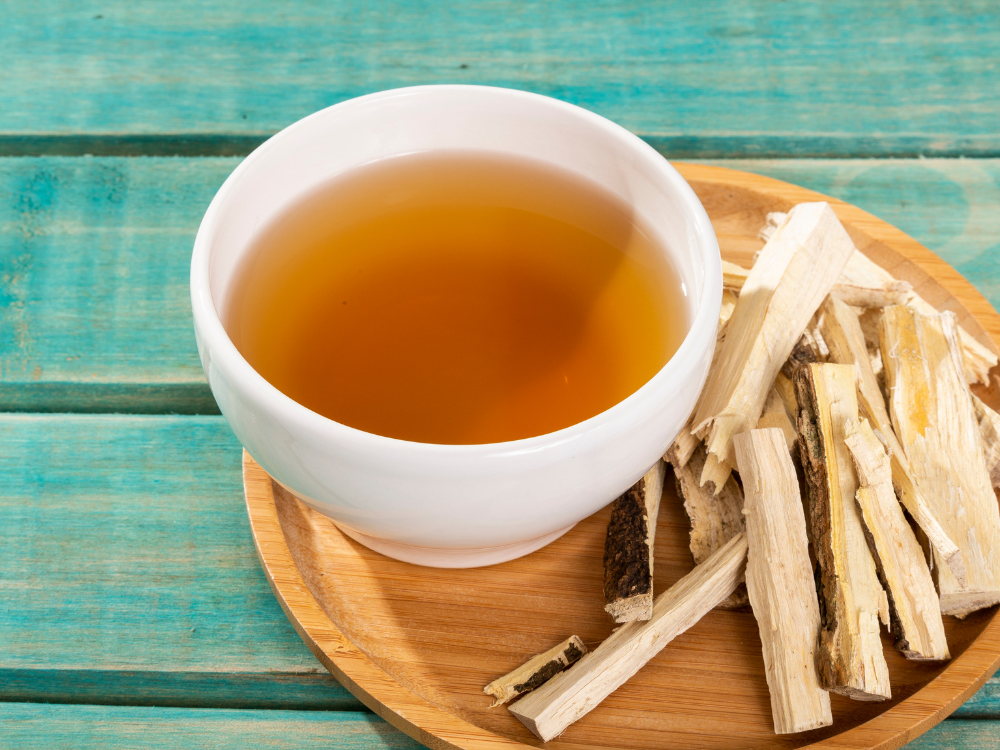
Amargo is a unique plant that has been gaining popularity in recent years for its numerous health benefits. This article aims to unveil the mystery surrounding amargo and shed light on its origins, health benefits, and how it can be incorporated into your daily diet. So, what exactly is amargo, and why is it being hailed as a bitter-wood wonder?
Unveiling the Mystery of Amargo
Amargo, also known as the Quassia amara, is a small tree native to South America and the Caribbean. It is recognized for its distinctive bitter taste, which sets it apart from other plants in the region. Used for centuries in traditional medicine, amargo has now caught the attention of modern researchers who are uncovering its exceptional properties.
What is Amargo?
Amargo is a bitter herb that primarily consists of a compound called quassin. Quassin is known for its potent bitter taste and is responsible for many of amargo’s health benefits. It is no surprise that something so intensely bitter carries such potent therapeutic potential.
The Origins of Amargo
Amargo has a rich history that dates back centuries. The indigenous people of South America and the Caribbean have long revered amargo for its medicinal properties. It was used to support digestion, boost the immune system, and promote overall well-being. Today, amargo continues to be a staple in traditional cuisines and is increasingly sought after for its health-enhancing effects.
Let’s delve deeper into the origins of amargo. The name “Quassia amara” is derived from the name of a Surinamese healer, Graman Quassi, who first introduced the herb to European explorers in the 18th century. Graman Quassi was renowned for his extensive knowledge of medicinal plants and their healing properties. His discovery of amargo sparked great interest among European scientists and explorers, leading to further research and exploration of this remarkable herb.
Amargo’s popularity spread rapidly throughout Europe, where it was hailed as a “miracle herb” due to its numerous health benefits. It was used to treat a wide range of ailments, including digestive disorders, fever, and even malaria. The bitter taste of amargo was believed to stimulate the digestive system and promote the secretion of digestive enzymes, aiding in the breakdown of food and alleviating indigestion.
The Health Benefits of Amargo
Amargo offers a wide array of health benefits, making it truly deserving of the title “bitter-wood wonder.” Let’s delve into some of the remarkable ways in which amargo can support your well-being.
Amargo and Digestive Health
Your digestive system plays a crucial role in overall health, and amargo can help to support and maintain its optimal functioning. The bitter compounds in amargo stimulate the digestive juices, promoting efficient digestion and nutrient absorption. Regular consumption of amargo can aid in soothing indigestion, reducing bloating, and relieving heartburn.
Immune System Support from Amargo
Amargo contains natural compounds that possess immune-boosting properties. Regular consumption of amargo can help strengthen your immune system, making you more resilient against common illnesses and infections. Its ability to support immune health makes amargo a valuable addition to your daily routine, especially during flu seasons and periods of increased vulnerability.
Skin Health and Amargo
Your skin is an external reflection of your overall health, and keeping it in optimal condition is essential. Amargo has beneficial properties for skin health, thanks to its natural anti-inflammatory and antioxidant effects. Regular use of amargo can help reduce inflammation, fight oxidative stress, and promote a healthy complexion. Whether used topically or consumed internally, amargo can be an excellent ally in your skincare routine.
But the benefits of amargo don’t stop there. This remarkable bitter wood has also been found to have potential anti-cancer properties. Studies have shown that certain compounds in amargo may help inhibit the growth of cancer cells and prevent their spread. While more research is needed to fully understand the extent of amargo’s anti-cancer effects, these preliminary findings are promising and warrant further investigation.
In addition to its potential anti-cancer properties, amargo has also been traditionally used as a natural remedy for diabetes. Some studies suggest that amargo may help regulate blood sugar levels and improve insulin sensitivity. This could be particularly beneficial for individuals with diabetes or those at risk of developing the condition. However, it’s important to note that more research is needed to establish the effectiveness of amargo in managing diabetes.
The Bitter Taste: More Than Just a Flavor
The distinct bitter taste of amargo is more than just a flavor in your mouth. Bitterness is often associated with negative experiences, but when it comes to amargo, it carries tremendous therapeutic potential.

Understanding the Bitter Taste of Amargo
Amargo’s intense bitterness is a result of its high quassin content. This bitterness stimulates certain receptors in your tongue, triggering a cascade of reactions in your body that contribute to its health benefits. While the taste may be challenging to some, embracing the bitterness of amargo can lead to profound effects on your well-being.
The Role of Bitterness in Health
Bitterness is a taste often overlooked in modern diets, which are dominated by sweet and salty flavors. However, research suggests that bitterness plays a crucial role in maintaining balance and promoting overall health. By incorporating amargo and other bitter foods into your diet, you can reintroduce this essential taste and support your body’s natural healing mechanisms.
Amargo, also known as “bitter herb” in some cultures, has a long history of medicinal use. Ancient healers recognized the power of bitterness in treating various ailments and enhancing overall vitality. The bitter taste of amargo was believed to stimulate digestion, improve liver function, and even purify the blood.
Furthermore, the bitterness of amargo is often associated with its ability to stimulate the production of digestive enzymes. These enzymes play a crucial role in breaking down food and absorbing nutrients, ensuring optimal digestion and nutrient absorption. By incorporating amargo into your diet, you can support your digestive system and promote better overall gut health.
Incorporating Amargo into Your Diet
Adding amargo to your diet is a great way to harness its incredible health benefits. Here are some ideas on how you can enjoy the unique flavor and advantages of amargo.
Amargo in Traditional Cuisine
Amargo, also known as bitter melon, has been a staple in traditional cuisines for centuries, and embracing its use in your cooking can introduce new dimensions of flavor to your meals. This intriguing fruit, with its distinctive bitter taste, is widely used in Asian, African, and Caribbean cuisines.
Infuse amargo into sauces, condiments, or marinades to add a bitter twist to your favorite dishes. Its versatility makes it an excellent choice for both savory and sweet recipes. For example, you can sauté amargo with onions and garlic to create a flavorful side dish, or incorporate it into a tangy salad dressing for a refreshing twist.
Modern Ways to Use Amargo
If you prefer more modern approaches to incorporate amargo into your diet, fear not, as there are plenty of options available. Amargo supplements in capsule or liquid form are widely accessible and can be easily added to your daily routine. These supplements are often derived from the fruit’s extract, which contains a concentrated dose of its beneficial compounds.
Alternatively, you can try incorporating dried or powdered amargo into smoothies, teas, or homemade energy bars. The bitterness of amargo can add a unique flavor profile to your beverages and snacks, while also providing you with its health-promoting properties. For a refreshing twist, blend amargo with tropical fruits like pineapple and mango for a tropical smoothie bursting with flavor.

Moreover, amargo can also be used as a natural remedy in traditional medicine. It is believed to have various health benefits, including regulating blood sugar levels and supporting digestive health. However, it’s always important to consult with a healthcare professional before incorporating any new supplements or remedies into your diet.
The possibilities are endless when it comes to incorporating amargo into your diet. Whether you choose to explore traditional recipes or experiment with modern twists, this unique fruit can add a delightful bitterness to your culinary adventures while providing you with its numerous health benefits.
Safety and Precautions When Using Amargo
While amargo offers numerous health benefits, it is essential to be aware of the potential side effects and consider certain precautions before incorporating it into your lifestyle.
Potential Side Effects of Amargo
Individuals with certain medical conditions, such as low blood pressure or gastrointestinal disorders, should exercise caution when consuming amargo. Excessive consumption of amargo may lead to vomiting or diarrhea in some individuals. If you are uncertain about its suitability, it is always recommended to consult with a healthcare professional before starting any new herbal regimen.
Who Should Avoid Amargo?
Although amargo is generally safe for most individuals, there are certain groups of people who should avoid its use. Pregnant and breastfeeding women, as well as young children, should refrain from consuming amargo due to the lack of sufficient research on its potential effects in these populations. Additionally, those with known allergies to amargo or any related plants should also avoid its use.
In conclusion, amargo is indeed a bitter-wood wonder, offering a multitude of health benefits that make it worthy of exploration. From supporting digestive health to boosting the immune system and enhancing skincare, amargo has a lot to offer. Whether you choose to embrace its traditional culinary uses or experiment with modern formulations, incorporating amargo into your diet can be a step towards optimizing your well-being. Nevertheless, it is important to be mindful of potential side effects and consult with a healthcare professional if you have any concerns. Embrace the bitterness of amargo and discover the wonders it has in store for your health!

Leave a Comment