
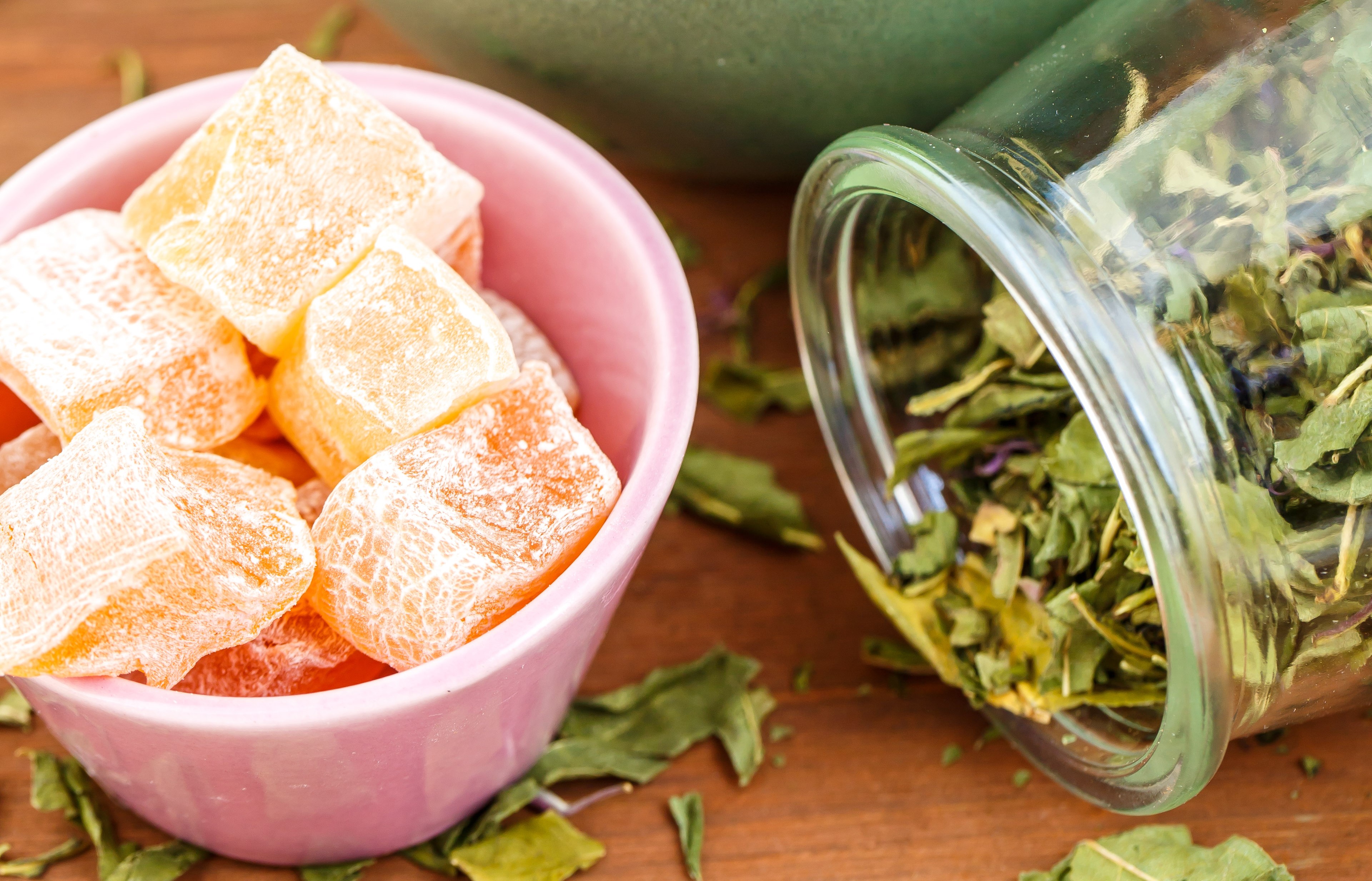
As far as culinary treats are concerned, two of the best and most popularly used herbs in cooking are sage and thyme. Both sage and thyme have wonderful flavors, and they certainly add a pleasant bouquet to any dish.
With that being said, sage and thyme aren’t just herbs that taste good because they have many great medical benefits and therapeutic potential as well. What we’re talking about today are the benefits of both sage and thyme in terms of natural relief from cold and flu symptoms.
First, we’ll start off by taking a closer look at both of these herbs to see exactly how they can help relieve the various common symptoms related to colds and flus. We will then take you on a step-by-step tutorial on exactly how to make your own DIY herbal cough drops with sage and thyme.
Traditional Use of Thyme and Sage in Medicine
Before we start talking about how thyme and sage specifically help relieve cold and flu symptoms, let’s take a closer look at what both of these herbs have been used for traditionally. First and foremost, thyme has been used to help treat a variety of respiratory ailments.
Thyme as a herb has often been used for its antifungal and antibacterial properties, mainly the essential oil of thyme, known as thymol. At the same time, it also has antiseptic properties, which is why it has historically been used in mouthwashes.

Thyme may also have a variety of other health benefits, including boosting your immune system, helping your digestive health, and it has topical applications for skin health as well.
We then have sage, another herb often used for cooking, although it has many great medical benefits as well. For instance, traditionally speaking, sage has been used to help improve concentration and memory.

Furthermore, sage also appears to have anti-inflammatory properties and anti-microbial properties, both of which can be beneficial for a variety of reasons. Sage may also have digestive health benefits.
How Thyme and Sage Alleviate Common Cold and Flu Symptoms
Both sage and thyme have the ability to relieve symptoms associated with cold and fluids. Let’s take a quick look at exactly how this is.
Thyme for Cold and Flu Symptom Relief
- Thyme can help relieve the symptoms of colds because it has antispasmodic effects, which means that it can help reduce the amount of coughing you experience when you have a cold by relaxing your tracheal muscles.
- Thyme also features expectorant properties, which means that it helps to expel and loosen mucus from your respiratory tract, therefore easing symptoms of congestion and coughing.
- Thyme also has antimicrobial properties, which means that it can help fight off the viruses and bacteria that cause colds and fluids.
- Thanks to its antiseptic properties, gargling with thyme can also help soothe sore throats.
- Thyme also happens to be very rich in antioxidants and vitamins, which means that it helps provide you with great immune system support.
Sage for Cold and Flu Symptom Relief
- Sage tends to have a sleeping effect on sore throats.
- Sage features anti-inflammatory properties that can help reduce inflammation in your respiratory tract and throat.
- Just like thyme, sage also has antimicrobial and antibacterial properties that can help fight off the pathogens that are responsible for causing the illness in the first place.
- Sage may also have properties that help ease digestive symptoms often associated with fluids, such as nausea.
- The antioxidants contained in sage may also be beneficial for helping to support the immune system.
How to Make Your Own DIY Herbal Cough Drops with Thyme and Sage: Step by Step
Now that we know what all of the benefits of thyme and sage are in terms of the relief of cold and flu symptoms, let’s take a closer look at how to make your own DIY herbal cough drops with thyme and sage.
Step 1: Gather the Ingredients and Equipment
To make your cough drops, you’ll need one cup of fresh thyme leaves, a cup of fresh sage leaves, a cup of honey, two tablespoons of lemon juice, some cornstarch, and two cups of water. You’ll also need a strainer or cheesecloth, a candy thermometer, a saucepan, silicone molds for the cough drops, a wooden spatula or spoon, and a container for storage.
Step 2: Wash Everything
You’ll want to start out by first washing all of the herbs so that they don’t have any dirt or grime on them.
Step 3: Turn the Herbs Into Tea and Strain
You’ll now want to take your thyme and sage and turn them into an herbal tea. Submerge the sage and thyme leaves in two cups of water, bring it to a boil, and then simmer for about 20 minutes. You want this liquid to reduce by roughly half. You now want to use a strainer or cheesecloth to strain all the liquid from the herbs.
Step 4: Mix the Ingredients
Using about one cup of the herbal infusion that you just made, mix in the other ingredients, including the lemon juice and honey.
Step 5: Cook the Mixture
Put this all in a saucepan and heat it over medium heat, stirring constantly. You need this to start boiling, just like when you’re making candy or caramel. You need to keep boiling it until it reaches a temperature about 300°F or 150°C, which should take about 30 minutes.
Step 6: Pour Into Molds and Let Cool
Once the mixture reaches the hard crack stage, you can pour it into your silicone molds and allow them to cool down. It should take about one hour for them to cool.
Step 7: Remove from Molds and Store
Once they’re hardened, coat them with powdered sugar or cornstarch to stop them from sticking together. You can now take your newly made DIY herbal cough drops and store them in an airtight container.
Final Thoughts
Both thyme and sage are fantastic-tasting ingredients that work well in so many dishes. However, if you happen to be suffering from ongoing cold and flu symptoms, making your own thyme and sage cough drops could be the answer you’ve been looking for.


Leave a Reply to Deborah AndersonCancel reply