
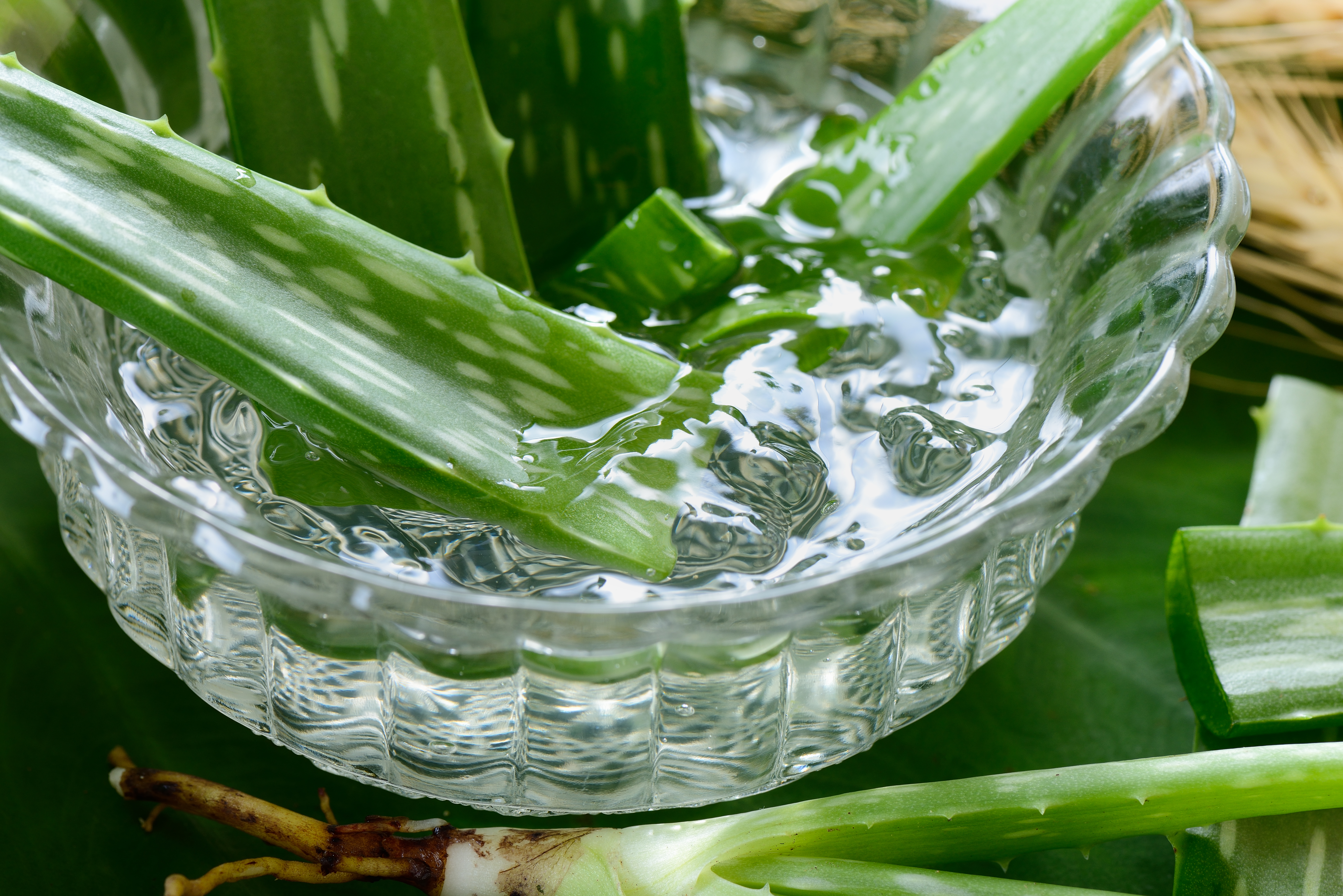
Aloe vera, with its numerous health benefits, has been used for centuries. This comprehensive guide will take you on a journey through the rich history, nutritional profile, and various health and beauty benefits of this amazing plant.
Understanding Aloe Vera: History and Origin
Aloe vera, a plant with a long-standing history, is believed to have originated in the Arabian Peninsula, where it thrived in the arid and dry climates. This remarkable plant has been used for thousands of years in various civilizations for its medicinal properties and is revered for its healing abilities.
The Ancient Use of Aloe Vera
Ancient Egyptians, known for their advanced knowledge of herbal medicine, referred to aloe vera as the “plant of immortality.” They recognized its incredible healing properties and utilized it extensively in their daily lives. Aloe vera was used to heal wounds, relieve burns, and treat various skin conditions. In fact, it was an essential part of the beauty regimen of the legendary Cleopatra, who used aloe vera gel to maintain her radiant and youthful skin.
Ancient Greeks and Romans were also well aware of the healing powers of aloe vera. They valued its ability to treat skin ailments, digestive issues, and even incorporated it into their beauty rituals. The renowned Greek physician, Dioscorides, documented the medicinal benefits of aloe vera in his famous work, “De Materia Medica,” which became a cornerstone of herbal medicine for centuries to come.
Aloe Vera in Modern Times
Although aloe vera’s popularity diminished for a while, it has made a remarkable comeback in recent years. With the increasing interest in natural remedies and holistic wellness, aloe vera has once again taken center stage. Today, aloe vera can be found in various forms, including gels, creams, juices, and supplements, making it easily accessible for everyone to incorporate into their daily lives.
The benefits of aloe vera extend beyond skincare. It is known for its anti-inflammatory properties, aiding in digestion, boosting the immune system, and promoting overall well-being. The gel extracted from the aloe vera plant is rich in vitamins, minerals, and antioxidants, making it a valuable addition to any health-conscious individual’s routine.
Furthermore, aloe vera has found its way into the world of culinary arts. Chefs and food enthusiasts have started experimenting with aloe vera as an ingredient in various dishes, from refreshing salads to innovative desserts. Its unique taste, reminiscent of a delicate blend of cucumber and citrus, adds a refreshing twist to culinary creations.
As we continue to delve into the wonders of aloe vera, its history and origin serve as a testament to its enduring legacy. From ancient civilizations to modern times, this remarkable plant has been cherished for its healing properties and its ability to enhance our well-being. Whether used topically or consumed internally, aloe vera continues to captivate us with its versatility and remarkable benefits.
The Nutritional Profile of Aloe Vera
Aloe vera is not only a popular plant for its soothing properties, but it is also a powerhouse of nutrients. It contains a wide range of vitamins, minerals, antioxidants, and enzymes that contribute to its health benefits.

Let’s dive deeper into the nutritional profile of aloe vera and explore the fascinating details.
Vitamins and Minerals in Aloe Vera
Aloe vera is rich in vitamins A, C, and E, which are potent antioxidants that promote healthy skin, boost the immune system, and provide protection against harmful free radicals. These vitamins play a crucial role in maintaining the overall health and well-being of our bodies.
But that’s not all! Aloe vera also contains essential minerals like calcium, magnesium, and potassium. Calcium is essential for strong bones and teeth, while magnesium is involved in hundreds of biochemical reactions in the body. Potassium, on the other hand, helps regulate blood pressure and maintain proper heart function. By incorporating aloe vera into your diet, you can ensure that your body receives these vital minerals.
Antioxidants and Enzymes in Aloe Vera
Aloe vera is packed with antioxidants that help combat free radicals and protect the body against oxidative stress. These antioxidants, such as flavonoids and carotenoids, play a crucial role in reducing inflammation, preventing chronic diseases, and promoting overall well-being.
But wait, there’s more! Aloe vera also contains enzymes like amylase and lipase. Amylase aids in the digestion of carbohydrates, breaking them down into simpler sugars for better absorption. Lipase, on the other hand, helps break down fats, ensuring efficient digestion and absorption of essential fatty acids.
By including aloe vera in your diet or using it as a topical application, you can benefit from these incredible enzymes that support digestive health and overall wellness.
Health Benefits of Aloe Vera
Now that we understand the nutritional profile of aloe vera, let’s dive into its incredible health benefits.
Aloe Vera for Skin Health
Aloe vera is widely known for its benefits to the skin. Its natural cooling properties soothe sunburns, reduce inflammation, and hydrate dry skin. Regular application of aloe vera gel can also help reduce acne, promote wound healing, and improve overall skin health.

Aloe Vera for Digestive Health
Drinking aloe vera juice can have a positive impact on digestive health. It can help relieve constipation, regulate bowel movements, and promote a healthy gut. Aloe vera contains natural enzymes that aid in the breakdown of proteins, carbohydrates, and fats, making it easier for the body to absorb nutrients.
Aloe Vera for the Immune System
Aloe vera’s immune-boosting properties can be attributed to its high content of antioxidants and vitamins. Regular consumption of aloe vera can enhance the body’s natural defense mechanisms, supporting overall immune health.
In addition to its well-known benefits for the skin, digestion, and immune system, aloe vera has also been found to have potential anti-inflammatory properties. Studies have shown that aloe vera contains compounds that can inhibit the production of inflammatory molecules in the body, helping to reduce inflammation and alleviate symptoms of conditions such as arthritis and inflammatory bowel disease.
Furthermore, aloe vera has been used for centuries in traditional medicine to promote hair growth and improve hair health. Its nourishing properties can help strengthen the hair follicles, reduce dandruff, and add shine to the hair. Applying aloe vera gel directly to the scalp can also help soothe scalp irritations and promote a healthy scalp environment.
Another interesting benefit of aloe vera is its potential role in weight management. Some studies have suggested that aloe vera may help regulate blood sugar levels and improve insulin sensitivity, which can be beneficial for individuals with diabetes or those looking to maintain a healthy weight. Additionally, aloe vera’s high fiber content can promote feelings of fullness, potentially reducing calorie intake and aiding in weight loss efforts.
Aloe Vera in Beauty and Personal Care
Aloe vera isn’t just beneficial for internal health; it also works wonders when incorporated into beauty and personal care products. But what makes this succulent plant so special? Let’s dive deeper into the world of aloe vera and discover its amazing benefits for your skin and hair.
Aloe Vera in Skincare Products
Aloe vera is a common ingredient in skincare products due to its anti-inflammatory and moisturizing properties. But what exactly does it do for your skin? Well, let’s start with its anti-inflammatory properties. Aloe vera contains compounds that help calm and soothe irritated skin, making it a perfect ingredient for those with sensitive or acne-prone skin. It can also reduce redness and inflammation caused by environmental factors or skin conditions.
But that’s not all! Aloe vera is also a natural moisturizer. It contains a high water content, which helps hydrate the skin without clogging pores. This makes it suitable for all skin types, including oily and combination skin. So, if you’re looking for a lightweight moisturizer that won’t leave your skin feeling greasy, look out for creams, lotions, and masks that contain aloe vera.
Aloe Vera in Haircare Products
Did you know that aloe vera can also transform your haircare routine? Yes, you heard it right! This versatile plant has nourishing properties that can work wonders for your hair and scalp. Let’s explore its benefits in more detail.
First and foremost, aloe vera helps strengthen hair strands, making them less prone to breakage. It contains vitamins, minerals, and amino acids that nourish the hair follicles, promoting healthy hair growth. So, if you’re struggling with weak or brittle hair, incorporating aloe vera into your haircare routine might be the solution you’ve been looking for.
But that’s not all! Aloe vera is also known for its ability to reduce dandruff and promote a healthy scalp. Its soothing properties can help alleviate itchiness and flakiness, providing relief to those dealing with scalp conditions. So, if you’re tired of dealing with pesky dandruff or an itchy scalp, look for shampoos, conditioners, and hair masks enriched with aloe vera.
With its numerous benefits for both skin and hair, it’s no wonder that aloe vera has become a popular ingredient in beauty and personal care products. So, the next time you’re shopping for skincare or haircare products, keep an eye out for the power of aloe vera and give your beauty routine a refreshing and rejuvenating boost!
How to Incorporate Aloe Vera into Your Diet
Aside from topical applications, aloe vera can be a valuable addition to your diet.

Aloe Vera Juice and Smoothies
Aloe vera juice is readily available and can be consumed on its own or mixed into delicious smoothies. Its refreshing taste and numerous health benefits make it a perfect choice for a morning boost or a post-workout recovery drink.
Aloe Vera in Cooking
Aloe vera gel can also be used in cooking, adding a unique twist to your recipes. From incorporating it into sauces and dressings to using it in desserts and drinks, you can get creative in the kitchen while reaping the benefits of aloe vera.
In conclusion, aloe vera is truly a wonder plant with its rich history, nutritional profile, and numerous health and beauty benefits. Whether you choose to use it topically or incorporate it into your diet, aloe vera can enhance your overall well-being and leave you feeling amazing.

Leave a Comment