
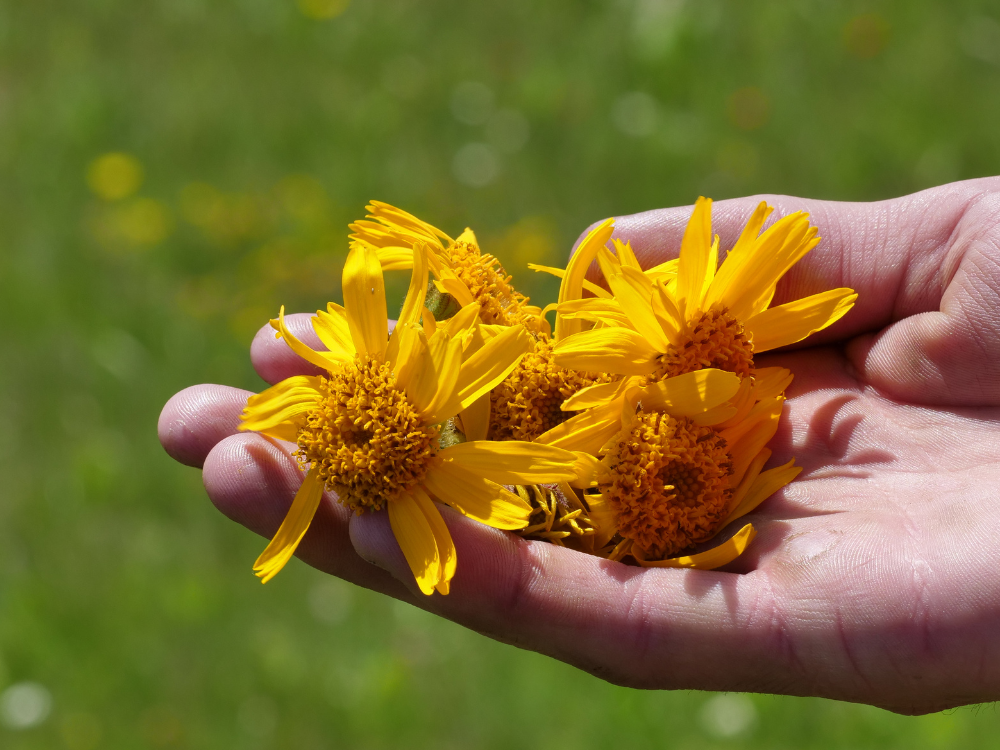
Arnica, with its vibrant yellow flowers, has long been known for its healing properties. Used for centuries in traditional medicine, this herb has gained popularity for its ability to alleviate pain, reduce inflammation, and promote healing. In this comprehensive guide, we will explore the wonders of arnica, from its history and active components to its healing benefits and safe usage. Whether you are seeking relief from pain or simply curious about this remarkable plant, this guide will provide you with all the information you need to harness the healing power of arnica.
Understanding Arnica: A Brief Overview
Before delving into the fascinating world of arnica, let us first understand what exactly this herb is. Arnica, scientifically known as Arnica montana, is a perennial plant native to the mountains of Europe and Siberia. It belongs to the Asteraceae family, which includes sunflowers and daisies. With its bright yellow flowers and daisy-like appearance, arnica is a sight to behold in nature. However, it is the medicinal properties of this plant that truly make it stand out.
What is Arnica?
Arnica is a herbaceous plant that has been used for centuries in herbal medicine. It is primarily known for its anti-inflammatory and analgesic properties, making it a valuable remedy for a wide range of ailments. The active components of arnica are believed to be responsible for these therapeutic effects.
The Historical Use of Arnica
The use of arnica in traditional medicine dates back to ancient times. It has been used by various cultures, including the Greeks, Native Americans, and Europeans, for its healing properties. In ancient Greece, arnica was known as “mountain tobacco” and was used to treat various conditions, including bruises and sprains. Native American tribes also recognized the plant’s healing potential and used it to relieve pain and promote wound healing. In more recent history, European herbalists have incorporated arnica into their remedies for its powerful medicinal properties.
One fascinating aspect of arnica’s historical use is its association with folklore and superstition. In some European cultures, it was believed that arnica had protective properties against evil spirits and could ward off bad luck. People would hang dried arnica flowers in their homes or carry them in pouches as a form of talisman. This belief in the mystical powers of arnica speaks to the deep reverence and respect that ancient civilizations had for the plant.
Furthermore, arnica’s popularity as a medicinal herb grew during the Renaissance period. Herbalists and physicians of the time recognized its potential in treating various conditions, ranging from joint pain to skin irritations. The renowned Swiss physician, Paracelsus, even referred to arnica as the “herb of the angels” due to its remarkable healing properties. This endorsement from a respected medical figure further solidified arnica’s reputation as a valuable herbal remedy.
The Active Components of Arnica

Arnica, a medicinal plant with a long history of use, contains several active components that contribute to its remarkable healing properties. The most prominent of these is helenalin, a sesquiterpene lactone that has been found to possess potent anti-inflammatory and analgesic effects. This compound, like a skilled conductor, orchestrates a symphony of healing within the body, inhibiting the production of pro-inflammatory molecules and helping to reduce pain and swelling.
But let’s dive deeper into the role of helenalin. This remarkable compound is believed to be the primary driver behind the anti-inflammatory effects of arnica. It acts as a guardian, standing firm against the relentless waves of inflammation. Helenalin achieves this by inhibiting the activity of NF-κB, a transcription factor that plays a central role in the inflammatory process. By blocking the activation of NF-κB, helenalin helps reduce the production of pro-inflammatory molecules, such as cytokines and chemokines. This anti-inflammatory action makes arnica an excellent choice for conditions characterized by pain and inflammation.
While helenalin takes the spotlight, let’s not forget about the other key compounds that contribute to the therapeutic benefits of arnica. Flavonoids, those mighty plant compounds known for their antioxidant and anti-inflammatory properties, are also present in arnica. Quercetin and kaempferol, two notable flavonoids found in this remarkable plant, join forces with helenalin to enhance the overall healing effects of arnica.
But that’s not all. Arnica also boasts the presence of volatile oils, such as thymol and camphor, which add their own unique touch to the plant’s healing prowess. These aromatic oils, like gentle whispers, soothe the senses and contribute to the analgesic properties of arnica. And let’s not forget about the tannins, those natural compounds with astringent effects. They lend a helping hand in reducing swelling, ensuring that arnica provides comprehensive relief.
So, when it comes to the active components of arnica, it’s clear that nature has bestowed this plant with a powerful arsenal of healing compounds. From helenalin’s anti-inflammatory might to the flavonoids’ antioxidant support, and the soothing touch of volatile oils, arnica stands as a testament to the wonders of nature’s pharmacy.
The Healing Benefits of Arnica
Arnica offers a multitude of healing benefits, making it a versatile herbal remedy. Let us explore some of the most common uses of arnica:
Arnica for Pain and Inflammation
One of the primary uses of arnica is to alleviate pain and reduce inflammation. Whether it is a sore muscle, a sprained joint, or a bruise, arnica can help provide relief. The anti-inflammatory properties of arnica help reduce swelling and promote healing, while its analgesic effects help alleviate pain. Arnica can be applied topically in the form of creams, gels, or ointments, or taken orally in the form of tablets or tinctures.
Arnica for Bruises and Sprains
Arnica’s ability to reduce bruising and swelling makes it an ideal remedy for bruises and sprains. Applying arnica topically can help speed up the healing process by promoting blood circulation and reducing inflammation. It can also help alleviate pain associated with these injuries, allowing for a faster recovery.
Arnica for Arthritis
Arthritis is a common condition characterized by joint inflammation and pain. Arnica’s anti-inflammatory and analgesic properties can provide relief for those suffering from arthritis symptoms. Applying arnica topically to the affected joints can help reduce pain and inflammation, improving mobility and quality of life. However, it is essential to consult with a healthcare professional before using arnica as a treatment for arthritis.
Using Arnica Safely
While arnica is generally safe to use, it is crucial to follow recommended dosages and precautions to ensure its safe and effective usage.

Recommended Dosages and Applications
When using arnica, it is important to follow the recommended dosages provided by healthcare professionals or the product packaging. Arnica can be used topically in the form of creams, gels, or ointments, or taken orally in the form of tablets or tinctures. It is essential to read and follow the instructions carefully to ensure proper usage. Additionally, it is advisable to perform a patch test before applying arnica topically to check for any potential allergic reactions.
Potential Side Effects and Precautions
While arnica is generally safe, it can cause allergic reactions in some individuals. If you experience any signs of an allergic reaction, such as skin rash, itching, or difficulty breathing, discontinue use and seek medical attention. Arnica should not be applied to open wounds or broken skin, as it may cause irritation. Furthermore, it is important to avoid ingestion of raw arnica, as it can be toxic. Always consult with a healthcare professional before using arnica, especially if you have any underlying medical conditions or are taking medications.
Arnica in Homeopathy
Arnica is also widely used in homeopathy, a holistic system of medicine that utilizes highly diluted remedies to stimulate the body’s healing ability. In homeopathy, arnica is often prescribed for conditions such as bruises, shock, and trauma. However, it is important to note that homeopathic remedies are highly diluted and prepared according to specific principles. If you are interested in using arnica in homeopathic form, it is recommended to consult with a qualified homeopathic practitioner who can provide personalized guidance.
Principles of Homeopathy and Arnica
Homeopathy is based on the principle of “like cures like,” meaning that a substance that can cause symptoms in a healthy person can be used to treat similar symptoms in a sick person. In the case of arnica, its ability to cause bruising and pain in its raw form is used to treat similar symptoms in a homeopathic preparation. The highly diluted arnica remedies are believed to stimulate the body’s self-healing mechanism and promote recovery.
Homeopathic Uses of Arnica
Homeopathic arnica is commonly used for conditions such as bruising, muscle soreness, and emotional trauma. It can be taken orally in the form of pellets or tablets or applied topically in the form of creams or ointments. However, as with any homeopathic remedy, it is important to seek guidance from a qualified homeopathic practitioner for proper dosage and usage.
In conclusion, arnica is a remarkable herb that offers a wide range of healing benefits. Whether used topically or in homeopathic form, arnica can help alleviate pain, reduce inflammation, and enhance the body’s healing process. However, it is important to use arnica safely and consult with healthcare professionals when necessary. With its rich history and proven efficacy, arnica is indeed a powerful ally in our journey towards optimal health and well-being.

Leave a Comment