
Plenty of people drink diet Coke and other diet soda drinks because it is assumed that they are healthier than the alternative. By the alternative, we are talking about Coke and other sodas that have sugar in them.
Diet sodas are of course sweetened with dangerous substances such as aspartame, just to name one, among several others. Although sugary drinks are obviously bad for you due to issues with weight gain, diabetes, and more, this doesn’t mean that diet sodas full of artificial sweeteners are any better. In fact, they might just be even worse.
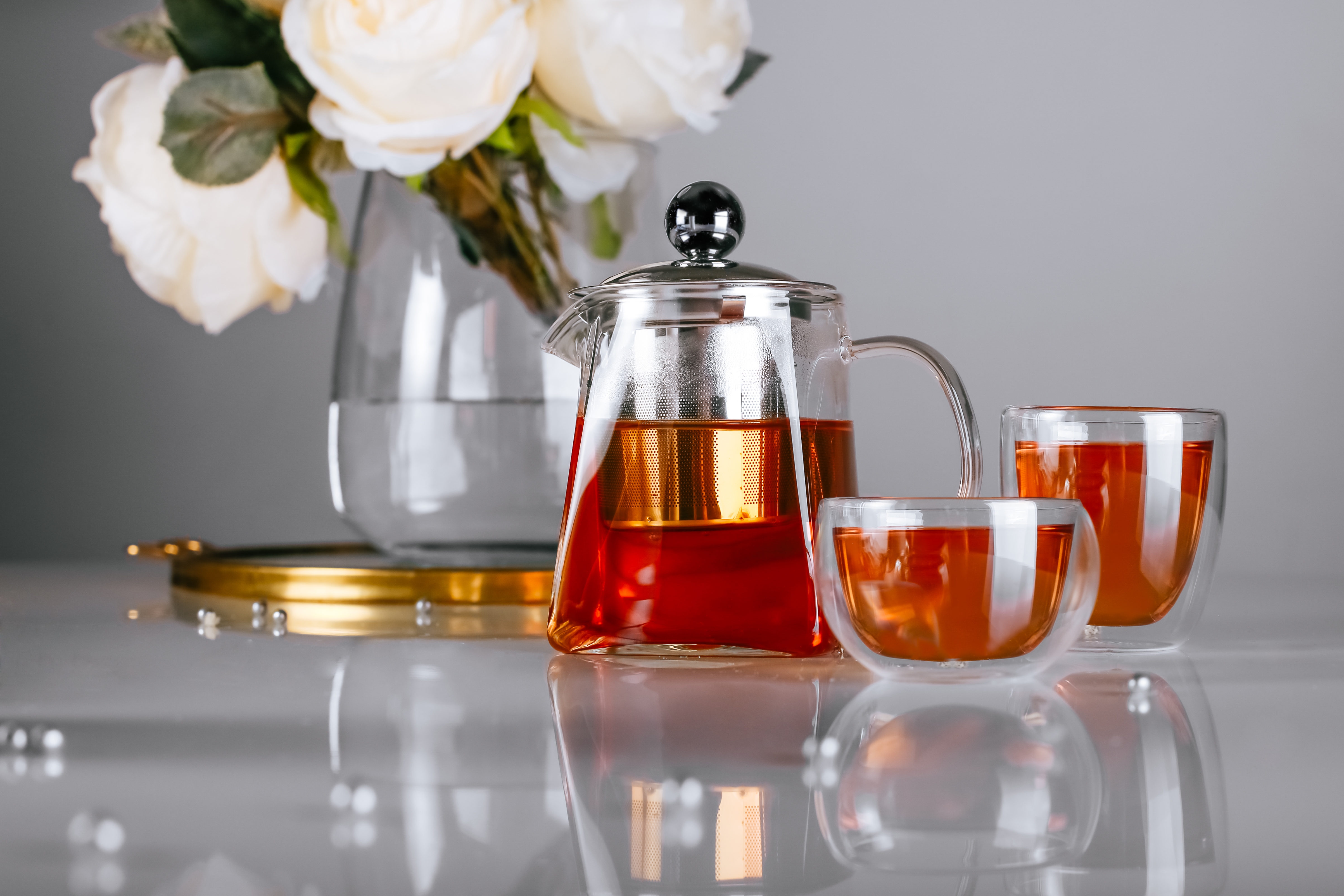
Today, we want to take a look at all of the potential health risks that come with drinking artificially sweetened diet drinks, and what a much healthier alternative is. The healthier alternative we’re talking about here is black tea! Let’s figure out why black tea is the much healthier alternative to diet coke.

Health Concerns Associated with Diet Coke
As mentioned above, diet coke is full of aspartame, and that stuff is downright deadly. Although it’s not like drinking arsenic in the sense that it won’t immediately put you down for the count, it can and will cause serious health concerns over the long run, especially with regular and ample consumption. Let’s see why diet coke and other such diet drinks are bad for your health.
Digestive Issues
Diet coke is associated with disrupting gut health, particularly due to the artificial sweeteners contained in it. It negatively impacts your gut microbiome, the microbes that help maintain healthy digestive function. Studies show that diet coke can impair gut microbiome function, which can result in decreased nutrient absorption, digestive upset, and more.
Tooth Health
Next, the artificial sweeteners contained in diet drinks are also shown to erode tooth enamel, which is the layer that protects your teeth. The issue here is that tooth enamel does not grow back, and once it’s gone, there’s nothing that can be done, thus leaving your teeth exposed to damage.
Migraines
When consumed in large quantities, artificial sweeteners such as aspartame are also shown to contribute to the increased frequency and severity of both headaches and migraines. This may also be true for the caffeine that is contained in many diet drinks.
Bone Density Issues
There are various studies out there which show that drinking soft drinks, both diet drinks and regular ones, contribute to a loss of bone density. Furthermore, there are also studies which show that people who drink diet drinks regularly have higher risks of fracturing bones and developing osteoporosis.
Cardiovascular Disease
Furthermore, there are also several studies in existence which indicate that the consumption of diet drinks on a regular basis may also contribute to increased instances of heart disease and stroke.
Possible Weight Gain
What is very interesting to note is that although people consume diet coke and other diet drinks because they think they will prevent weight gain, this might not be the case. In fact, according to some studies, drinking diet soda on a regular basis may lead to a higher amount of belly fat.
Diabetes Issues
Equally as interesting, just like people drink diet sodas to prevent weight gain, people also think that diet sodas can help prevent type 2 diabetes from developing. However, there are studies which appear to indicate that the exact opposite is the case, that diet Coke and other artificially sweetened drinks may increase the risk of developing type 2 diabetes.
The Healthier Alternative – Black Tea

As you can see, diet coke and other artificially sweetened drinks just aren’t good for you. A much healthier and tastier alternative is black tea. Not only is black tea delicious but it also has many health benefits that most people don’t know about.
The Health Benefits of Black Tea
Black tea doesn’t just taste good, but also has a plethora of health benefits that you can take advantage of, so let’s figure out exactly what those are.
Antioxidants
Black tea is loaded to the brim with beneficial antioxidants which have the ability to reduce oxidative damage, protect against free radical damage, and more. This is beneficial as it helps to slow down age related cognitive decline, and helps to prevent a myriad of health conditions from occurring.
Cardiovascular Health
Thanks to those same antioxidants we just looked at, mainly the flavonoids, black tea may also be able to help reduce the risks of developing heart disease. Black tea may also help lower the risk of suffering a stroke.
Can Lower Bad Cholesterol
Bad cholesterol, otherwise known as LDL cholesterol, increases cardiovascular disease risks, and has other health consequences as well. However, there are some studies which show that the regular consumption of black tea can help reduce LDL cholesterol.
Can Improve Gut Health
There are some conclusive studies which show that drinking black tea regularly can help benefit gut health by promoting the growth of good bacteria. Not only does this help with digestion and digestive issues, but it also helps the body absorb more nutrients.
Potentially Lowers Blood Sugar Levels
One of the worst consequences of drinking soda, whether sugary ones or not, is that they can both result in higher blood sugar levels, which is of course not good for a variety of reasons, particularly as far as diabetes is concerned. However, there are studies which show that drinking black tea on a regular basis can help maintain or even lower blood sugar levels. This should in turn help prevent the development of type 2 diabetes.
The Potential to Improve Focus
Black tea contains essential amino acids and caffeine, both of which are known to aid with overall cognitive function. Black tea may therefore be able to help improve your focus, concentration, and energy levels.
Black Tea as an Alternative – Final Thoughts
At the end of the day, the reality is that diet coke and other artificially sweetened drinks just aren’t good for you. In fact, they seem to cause all of the exact problems that drinking black tea can help solve. Therefore, the logical solution is to put down the can of soda and go buy yourself some tea bags!


Leave a Reply to Suzan R. WallaceCancel reply